Is a Separate Office Room Necessary?
By Maya Bennett, Founder & Editor. A spare room sounds like the dream home office, a door you can close and a desk you never have to clear. But most homes do not have a room to spare, so the real question is whether you need one at all. The short answer is no for most people, and this article explains why, what a room actually gives you, and how to draw the line without one. For more ideas in this series, browse the Home Office Ideas category.
As an Amazon Associate I earn from qualifying purchases. Please see our affiliate disclosure for details. This article prints no prices, because prices change. Check the listing before you buy, and confirm you have the exact variant named.
AI-generated image
In this article
At a glance
| Question | Short answer |
|---|---|
| Is a separate office room necessary? | No for most people, if the desk has a clear boundary and a shutdown routine |
| What does a room give you? | A door, quiet, storage, and a hard line between work and rest |
| What replaces the room? | A divider or shelf, a fixed desk spot, and a habit that ends the day |
| Who should get a room? | People on calls all day, handling private work, or sharing a small home with kids |
| Verdict | Build the boundary, not the room: a divider and a routine beat an empty spare room |
The short answer
AI-generated image
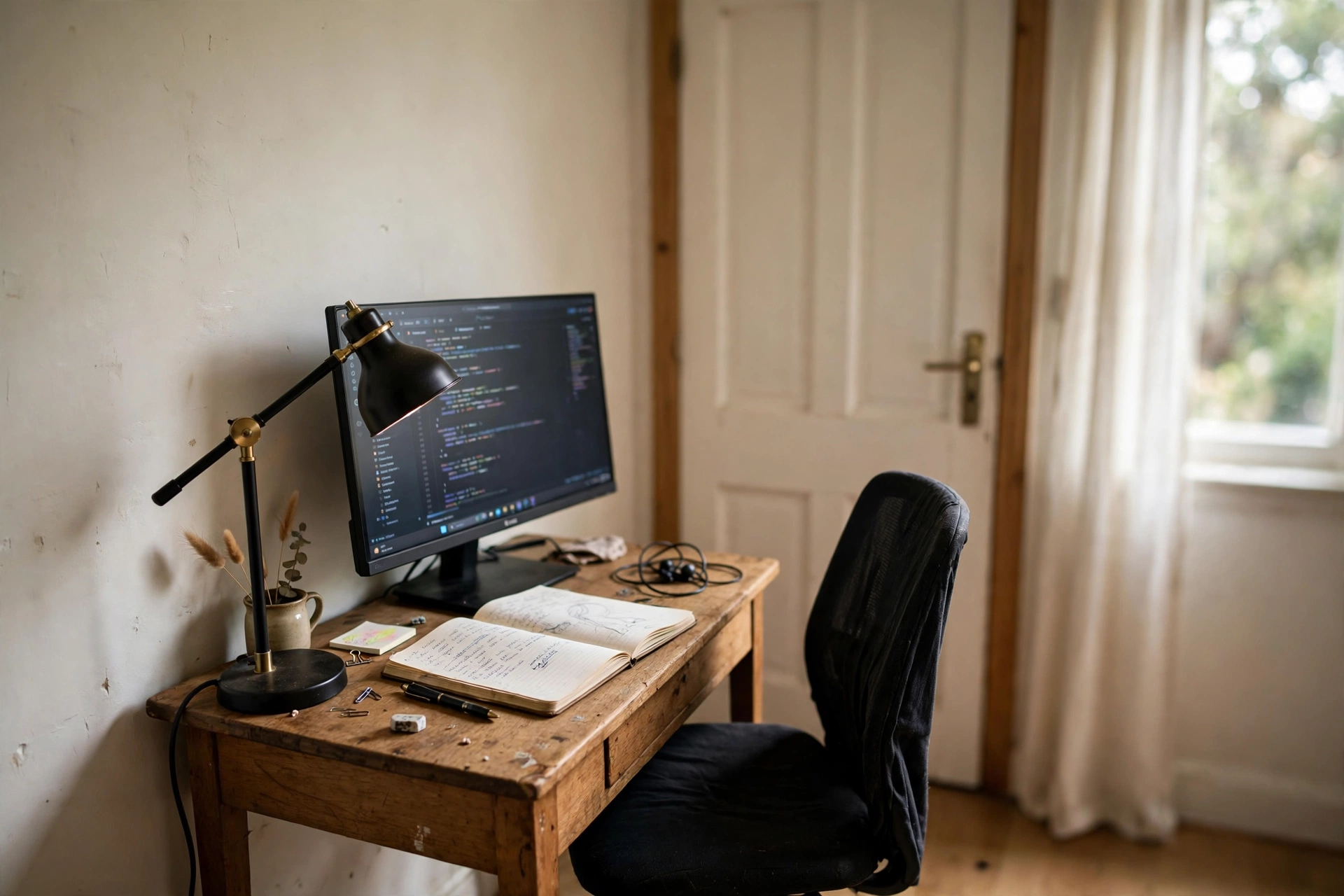
No, a separate office room is not necessary for most people who work from home. What matters is not four walls, it is a boundary you can see and a routine you can keep. A desk in a quiet corner, a divider that marks where work starts, and a habit of shutting the laptop at the same time each day give you most of what a room gives you, without needing a spare room at all.
That said, a room is not useless. If your work involves confidential calls, a noisy household, or video meetings all day, a door you can close is genuinely hard to replace. But for focused solo work, writing, admin, and the odd call, a well set up corner performs just as well as a spare bedroom. Before you rule your home out, try working from one fixed spot for two weeks. If you can focus there and switch off at the end of the day, the room was never the missing piece.
What a separate room really gives you
AI-generated image
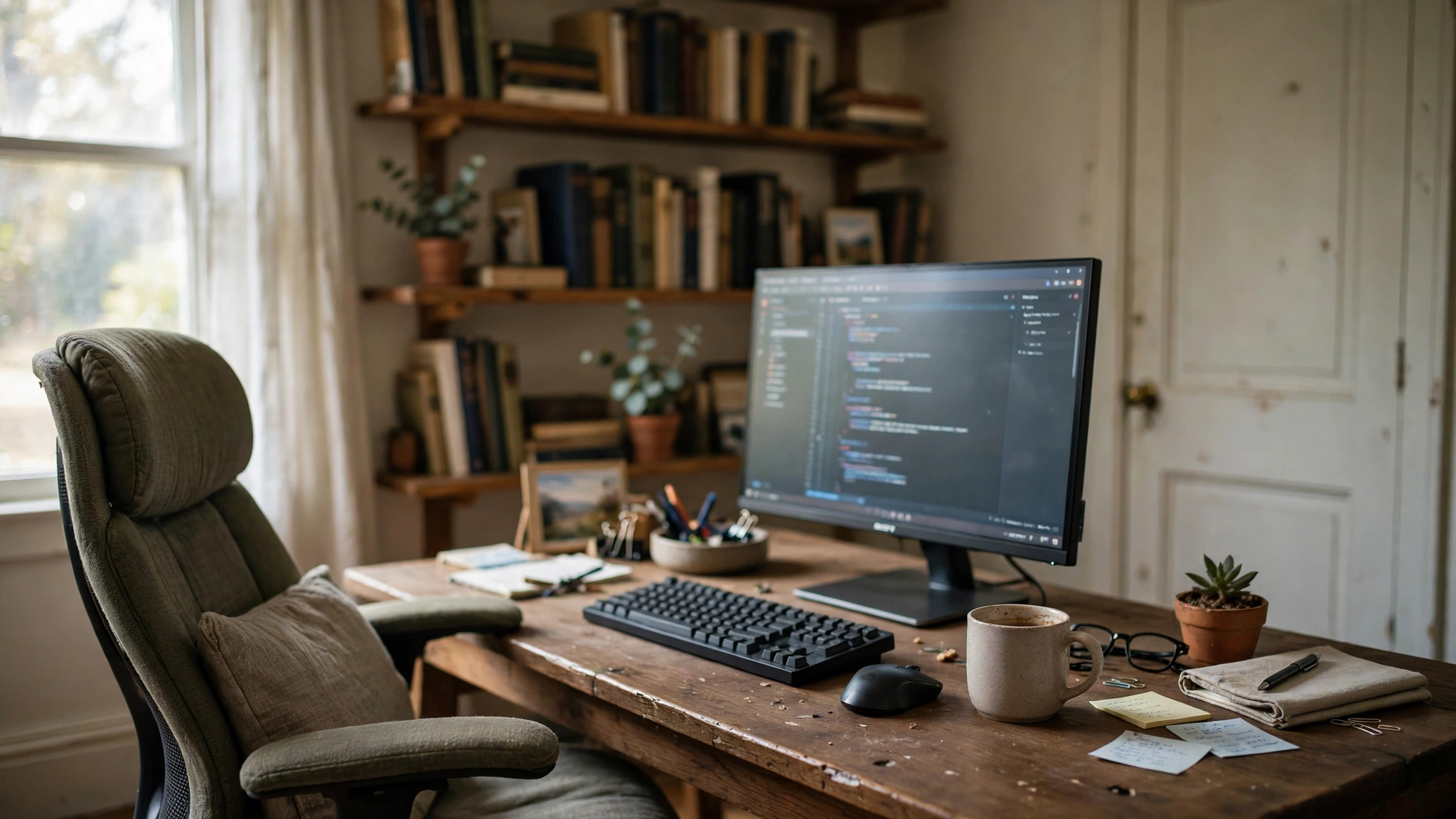
A separate room gives you three things, and it helps to name them so you can replace each one. First is privacy: a door that closes keeps calls, meetings, and screen contents away from the rest of the house. Second is quiet: walls cut household noise far better than any headset, and they keep your own meeting noise from spilling into the living room. Third is permanence: the desk stays set up, papers and chargers have a home, and nobody has to clear the table for dinner.
The trade off is real too. A spare room often becomes the coldest or darkest room in the house, and a desk tucked in a bright living room corner can feel nicer to sit at. A room also costs space you might need for guests, a nursery, or storage, and it can make work feel cut off from the household in a way that suits some people and not others. So weigh the three gifts above against what the room takes away, and keep only the gifts you actually need.
How to draw the line without a room
AI-generated image
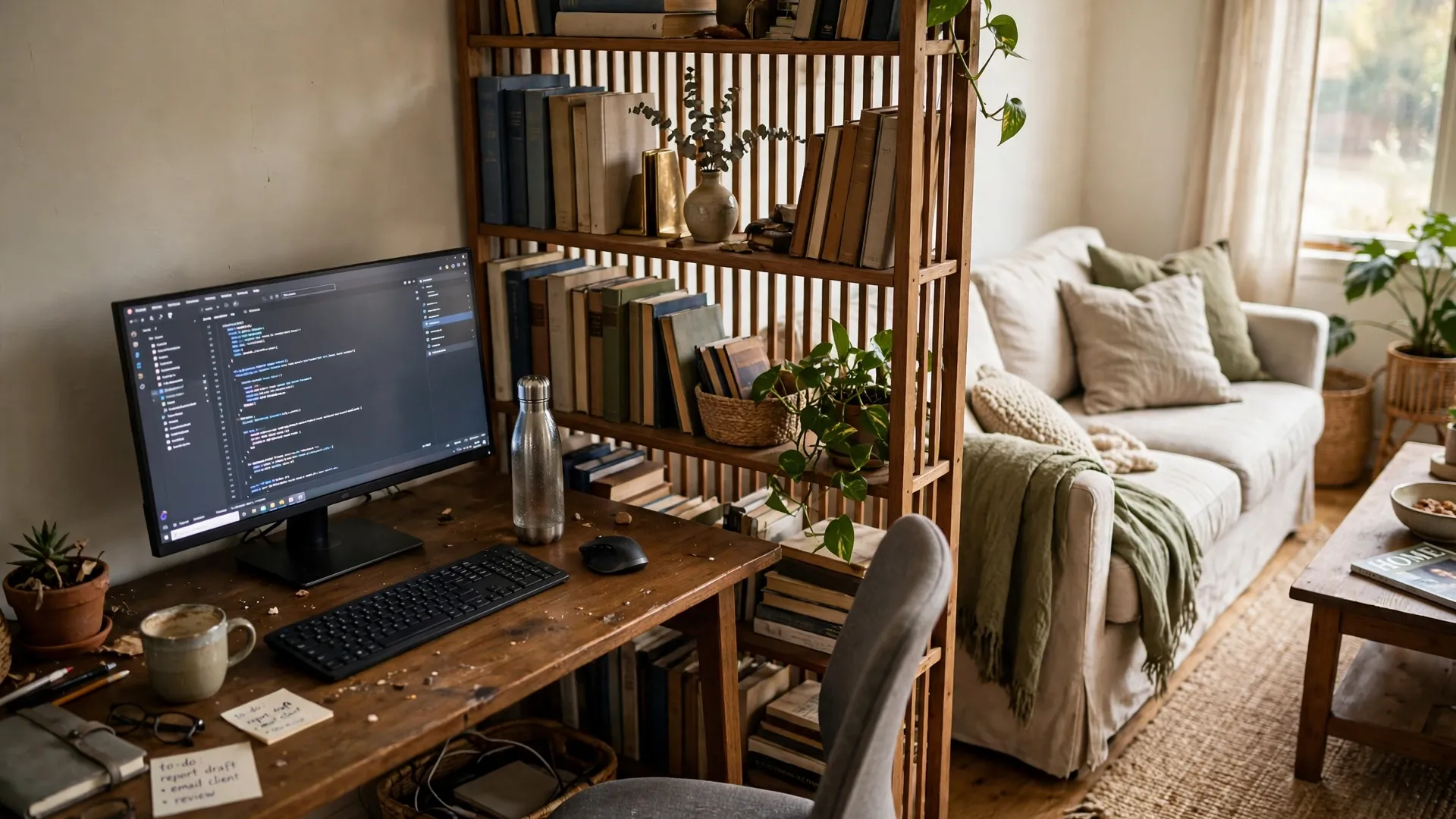
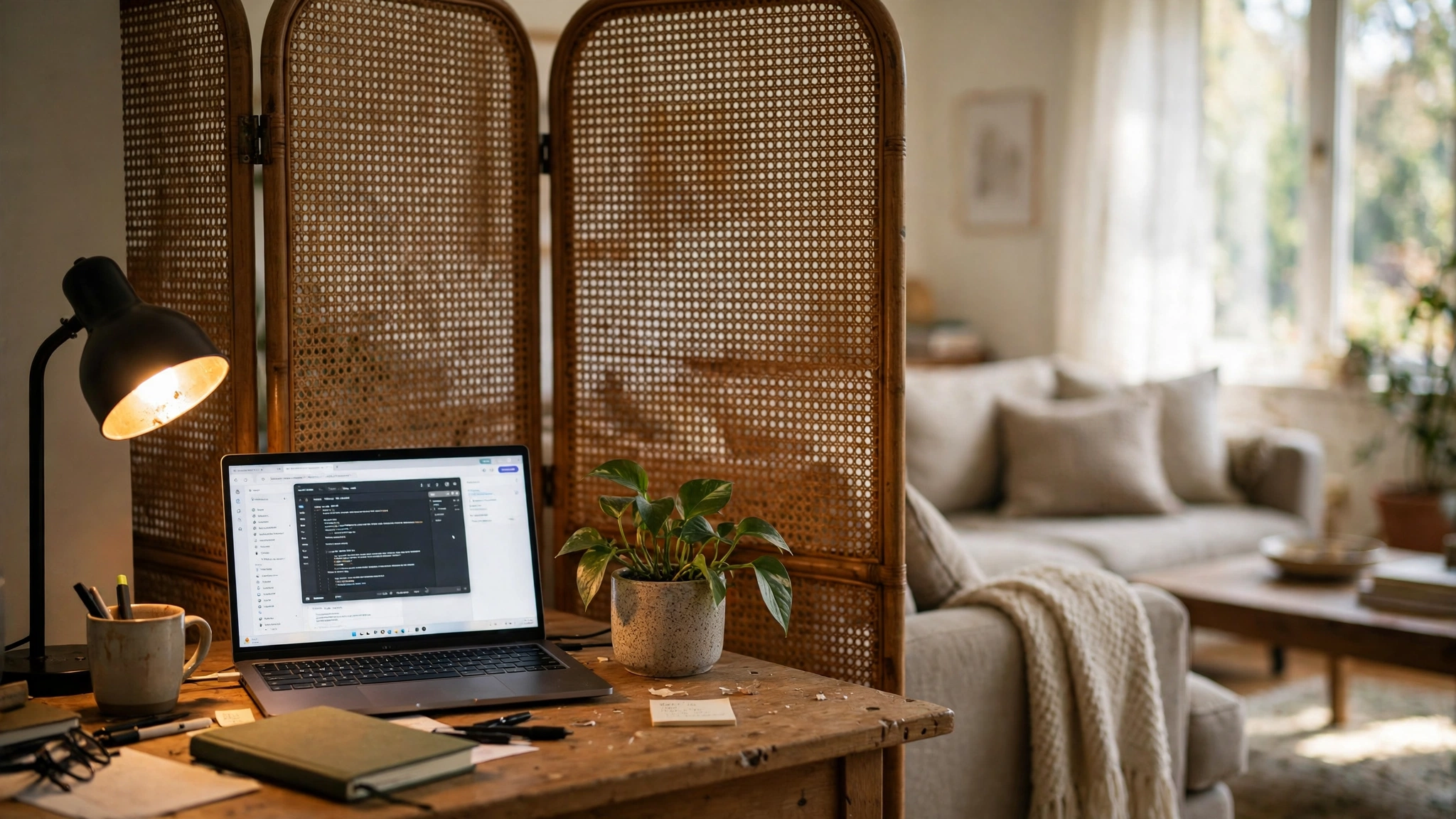
Without a room, the line has to be built, and the simplest version is a physical marker. A tall divider, a bookcase turned sideways, or even a rug under the desk tells your eyes where work begins and the living room ends. Put the desk facing a wall or a window, not the sofa, so the room behind you disappears while you work. Keep everything for work in that one spot, charger, notebook, and lamp included, so you never spread across the house.
Then add a routine that closes the day. At a fixed time, close the laptop, fold the divider across the desk if it folds, and switch the desk lamp off. That small ritual does the job a door does: it tells you work is over, even though the desk is still in the room. Headphones help for calls, and a lamp that only turns on during work hours quietly marks the start and end of the day.
RECOMMENDED
Tribesigns Wall Room Divider, Wood Freestanding Room Divider Bookcase with Shelves and Coat Hooks, 71 in Modern Wall Partition for Home and Office Decorative, Brown
Why this one: A divider that also stores books and coats, 71 inches tall, so it draws a clear line between work and living space while holding things you would otherwise leave on the desk.
Worth knowing: It weighs about 69 lb and the listing says two people should install it, and it is a visual boundary, not a sound barrier.
Verdict

AI-generated image
A separate office room is not necessary for most home workers. A fixed desk spot, a visible boundary, and a shutdown routine cover the same ground for solo work, and they cost far less than a spare room. Spend on the boundary instead: a divider that marks the space, a lamp that signals work hours, and a chair you can sit in all day.
The exception is real. If you take confidential calls, record audio, or share a small home with children who need the living room, a room with a door earns its keep and is worth finding. For everyone else, build the boundary first and live with it for a month. If focus and rest both hold, you have your answer, and the spare room can stay a guest room.
RECOMMENDED
VEVOR Wood Room Divider, 6 Panel Wood Folding Privacy Screen, 66.9 Inches Tall Indoor Louvered Wooden Partition, Portable Decoration Screen, for Room Separation, Home, Office, Restaurant and Bedroom
Why this one: Light at about 19 lb, it folds away when the workday ends, and six panels shape around a desk corner so the boundary fits the space you have.
Worth knowing: Louvered panels let light and some sound through, so it hides the desk without sealing the room off.
Frequently asked questions
Can I work from home well without a spare room?
Yes, if you give the desk a fixed spot and a clear boundary. A corner with a divider, a lamp, and a shutdown routine works well for focused solo work. The problems start when the desk moves around the house and work has no edge, so fix the spot first.
What is the cheapest way to separate a desk from a living room?
A rug under the desk, a bookcase turned sideways, or a folding screen all mark the space for little money. Add a desk lamp that only turns on during work hours, and the corner reads as an office even without a wall.
Does a room divider block noise?
Not much. A divider is a visual boundary, not a sound barrier, so household noise still reaches you. For calls, pair it with headphones and a closed door to the noisiest room, and pick the quietest corner you have.
When is a separate room worth it?
When your work needs privacy or quiet that a shared room cannot give: confidential calls, recording, or video meetings all day. It is also worth it if a small home with children means the living room is never free during work hours.
How do I stop work from taking over my living room?
Keep every work item in the one desk spot, close the laptop at a fixed time, and fold the divider across the desk or switch the lamp off. The ritual matters more than the furniture: once the lamp is off, the desk is furniture again, not work.
Conclusion
A separate office room is a nice thing to have, not a thing you must have. Most home workers do better by building a clear boundary, a fixed desk spot, a divider that marks the edge, and a routine that ends the day, than by waiting for a spare room that may never appear. Try it for a month, and if your focus holds and your evenings feel like evenings again, the corner was enough all along.
